
The Role of Industry in Green Technologies
The development of green technologies is essential for achieving the energy transition, as it provides a pathway to affordable and clean energy while addressing the challenges posed by climate change. Manufacturing plays a pivotal role in creating and spreading green innovations, which are crucial for meeting Sustainable Development Goal and other environmental sustainability objectives.
Exploring Innovation Through Patents
Research conducted underscores the importance of manufacturing in advancing green technology. The study examined the origins of green patents, defined as innovations aimed at controlling, reducing, or preventing greenhouse gas emissions or mitigating the adverse effects of climate change.
Findings reveal that nearly 60% of green patents globally are owned by industrial firms. In 2022, manufacturing companies held 57% of green patents issued to private sector entities. The business services sector followed, holding 26% of such patents. Notably, manufacturing firms account for only 10% of the dataset’s total firm population, yet their share of green patents is disproportionately high. This indicates that the manufacturing sector has greater potential to drive technological advancements compared to other economic sectors.
From Problem to Solution
Historically seen as a contributor to environmental issues, manufacturing is now becoming part of the solution to climate change. Beyond being a key driver of economic growth and job creation, the industrial sector is emerging as a global innovation hub and a leader in developing green technologies. This shift highlights its evolving role in promoting sustainable development.
Decarbonizing Industry to Achieve Sustainable Development Goal
In addition to fostering green innovation, manufacturing can contribute directly to achieving Sustainable Development Goal by transitioning to cleaner energy sources, supporting the move towards net-zero carbon dioxide (CO2) emissions.
Cutting Emissions Through Industrial Decarbonization
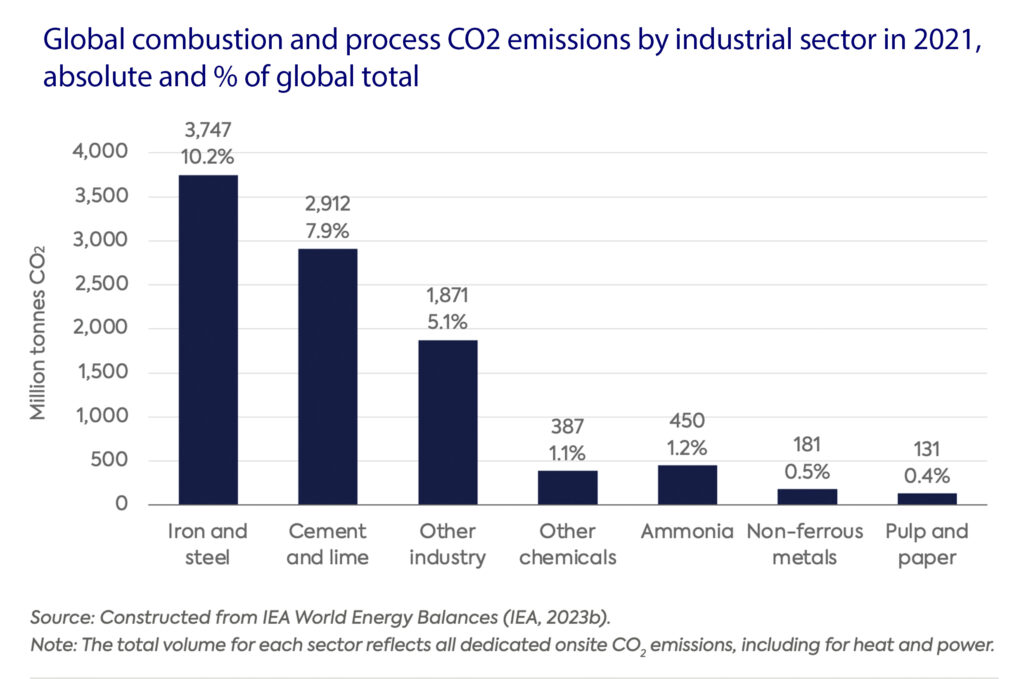
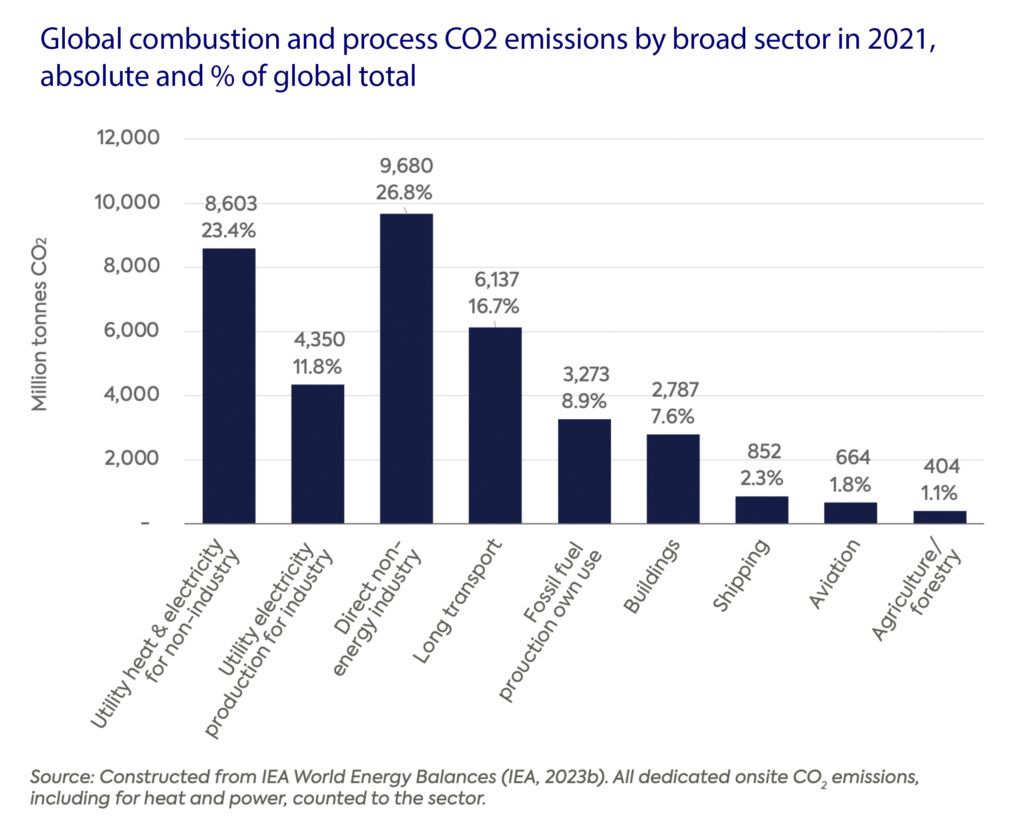
Approximately one-third of global CO2 emissions are linked to industrial activities, particularly from sectors such as steel, cement, and chemicals, which account for 70% of these emissions. Significant reductions are achievable through sector-specific and regional approaches. Key strategies include improving material efficiency, increasing recycling rates and quality (fostering a transparent circular economy), and decarbonizing production processes while enhancing energy efficiency.
Other measures include electrifying industrial processes, switching to low-GHG fuels and feedstocks, and employing carbon management solutions like carbon capture and storage. These initiatives not only reduce emissions but also improve local air quality, demonstrating their wide-ranging benefits.
Conclusion
By driving green innovation and embracing decarbonization strategies, the manufacturing sector is transforming into a central force for combating climate change and advancing the energy transition. Its role in achieving Sustainable Development Goal and broader sustainability goals is indispensable.